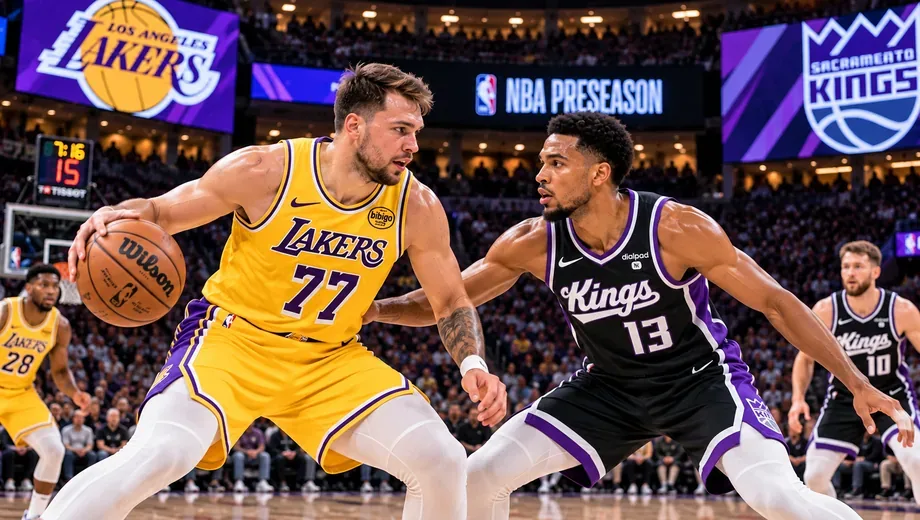
The Lakers open their preseason in Sacramento with Luka Dončić and Austin Reaves as the constants in a roster that changed dramatically around them. Los Angeles added Walker Kessler, Sandro Mamukelashvili, Collin Sexton, Quentin Grimes and Jaden Hardy, among others, after LeBron James moved to Philadelphia. Sacramento is also reorganizing: rookie guard Darius Acuff Jr. joins Zach LaVine, Malik Monk, Keegan Murray and Domantas Sabonis. Both teams therefore have a transition question in two senses—how they run, and how quickly new responsibilities become coordinated basketball.
Los Angeles can run without taking the ball away from Dončić
The Lakers finished 22nd in pace last season, but their younger supporting cast gives JJ Redick more ways to attack before the defense is set. Sexton or Reaves can advance the ball and still return it to Dončić against a tilted floor. Kessler can sprint directly to the rim, while Mamukelashvili can trail toward shooting space. Those routes allow Los Angeles to play faster without asking Dončić to become a different player.
Kessler and Mamukelashvili create opposite spacing problems
Kessler's rim running can force Sacramento's center to retreat, opening pull-up or slot space behind him. Mamukelashvili can create the opposite pressure by pulling a big away from the paint. The Lakers can learn quickly which geometry better complements Dončić and Reaves, especially when Sacramento uses Sabonis. The important difference is not which center scores more; it is where the Kings' last interior defender is forced to stand.
Sacramento is handing Acuff a real organizational challenge
The Kings' season preview describes Acuff as a young guard expected to assume significant control of the offense. That means his preseason possessions matter most when veterans share the floor with him. LaVine and Monk already know how to create their own shots, and Sabonis can organize offense through screens and passing. Acuff has to add pace and pressure without turning those established strengths into spectators.
The stalled break is the real chemistry test
A clean fast break is easy to understand. The harder possession begins when Sacramento stops the first wave. Los Angeles then has to flow into an organized action without resetting for ten seconds. A drag screen for Dončić, a Reaves handoff or an immediate Kessler re-screen would show that transition and half-court offense are connected. Standing and waiting for Dončić would show that the connection is still under construction.
Second-side creation determines whether the Lakers are deeper
Adding Sexton, Grimes and Hardy matters only if the Lakers can use those players after the first advantage. When Dončić draws two defenders, the next receiver must either shoot, attack the closeout or move the ball before Sacramento recovers. A deeper roster should shorten the time between the first pass out of pressure and the next meaningful action.
Sacramento can punish bad spacing immediately
LaVine, Monk and Acuff give the Kings enough speed to turn a poor Lakers possession into transition offense. Two Lakers cutting through the same lane or a big lingering in the wrong slot does more than ruin one attack; it compromises floor balance on the way back. That makes offensive spacing part of the Lakers' transition defense, especially while new combinations are learning one another.
The rematch can test whether the first lessons stuck
Los Angeles and Sacramento are scheduled to see each other again later in the preseason. That gives both staffs a rare immediate comparison. If the Lakers change who advances the ball or Sacramento alters how Acuff shares initiation with its veterans, the adjustment itself becomes evidence. Repeating a successful action is useful; deliberately correcting a failed one can be just as informative.
What this opener can establish
One night cannot settle either rotation, but it can establish the first hierarchy of responsibilities. For Los Angeles, that means who runs with Dončić, which big creates the cleaner floor and who owns the second action. For Sacramento, it means how much Acuff initiates beside proven scorers and whether the team can keep its spacing while increasing pace. Those answers are concrete enough to carry into the next sample without pretending the preseason opener is a final verdict.
The Lakers’ new frontcourt gives Dončić two different transition targets
Walker Kessler and Sandro Mamukelashvili can run the same floor in opposite ways. Kessler creates value by sprinting toward the rim, forcing the deepest defender to retreat and opening space behind the play. Mamukelashvili can trail into a three-point window, keeping the lane open for Dončić, Reaves or Sexton. The Lakers can therefore change their early-offense geometry without changing the ball handler.
That flexibility matters against Sabonis, whose positioning is central to Sacramento’s defense and transition organization. If he retreats to protect Kessler’s rim run, Los Angeles can flow into a pull-up or trailing action. If he steps higher against a shooting big, the back line has to account for cutters. The useful signal is whether the Lakers recognize the coverage quickly enough to choose the correct second action.
Sexton can raise the pace without turning every possession into a race
Collin Sexton’s value is not merely that he plays fast. He can push a defense into early decisions and then hand the possession back to Dončić before it becomes chaotic. That handoff of responsibility could be important for a team that finished near the bottom of the league in pace last season. Los Angeles can gain tempo selectively—after rebounds, turnovers and cross-matches—without asking its half-court star to abandon the deliberate style that makes him effective.
The danger is role overlap. If Sexton, Reaves and Dončić all approach the same possession as the primary initiator, spacing can collapse into turns rather than flow. Preseason gives Redick a low-cost environment to define who advances, who fills and who becomes the next receiver.
Acuff’s challenge is to organize veterans who do not need a rookie to create for them
Darius Acuff Jr. enters a Sacramento backcourt with LaVine and Monk, two established scorers who can attack immediately, plus Sabonis as a high-level passing hub. That is a difficult environment for a young point guard because competence can look like restraint. He does not need to dominate the ball to prove he can run the team.
A strong possession may involve Acuff calling the initial action, moving the ball to Sabonis, relocating and then receiving it again after the defense shifts. Another may require him to push in transition and recognize that LaVine already has the better matchup. Those decisions reveal whether his pace is connected to the roster around him rather than imposed on it.
Sacramento’s half-court counters will test the Lakers’ defensive communication
The Kings can put Los Angeles into repeated decision chains through Sabonis handoffs, Monk’s movement and LaVine’s downhill scoring. New Lakers combinations have to decide when to switch, when to stay attached and who tags the roller. A single preseason possession can look messy for innocent reasons, but recurring confusion on the same action would identify a real chemistry problem.
Kessler’s presence should help at the rim, yet rim protection only works if the perimeter sends the ball toward him on predictable terms. If guards are beaten in different directions or wings lose cutters behind the play, the center is solving multiple problems at once. Communication before the screen may be as important as the contest at the basket.
Grimes and Hardy can prove the Lakers’ depth on the second side
Quentin Grimes and Jaden Hardy give Los Angeles more perimeter scoring options, but depth is only useful when the offense reaches it in rhythm. After Dončić or Reaves draws help, Grimes should receive opportunities to shoot or attack a closeout without holding the ball long enough for Sacramento to reset. Hardy can supply a more aggressive scoring punch when a bench unit needs someone to create late in the clock.
The distinction between those jobs matters. If every reserve is asked to do everything, the second unit can become shapeless. If Grimes supplies quick decisions and Hardy owns selected creation possessions, Redick can build a hierarchy that survives even when Dončić sits.
Two meetings in four days create an unusually useful preseason feedback loop
The Lakers and Kings are scheduled to meet again on October 8, which turns the opener into the first half of a small experiment. Coaches can identify a failed coverage or a clumsy offensive sequence and test a correction against the same opponent almost immediately. That makes the response game potentially more informative than either final score.
For Los Angeles, the comparison could show whether transition lanes become cleaner, whether the preferred big changes by matchup and whether second-side decisions speed up. For Sacramento, it can reveal how quickly Acuff adapts to NBA pressure and how the veterans adjust their spacing around him. Improvement in a repeated situation is stronger evidence of chemistry than one spectacular highlight.
For broader context on evaluating NBA markets, see the OddsBay NBA Game Intelligence page and the sports betting guide.
The useful chemistry is the kind that survives a broken first action
Both teams have enough individual talent to produce attractive possessions in open space. The harder test begins after Sacramento stops the Lakers’ first drag screen or Los Angeles blows up the Kings’ first handoff. Can the ball move immediately into a second organized action, or does everyone wait for a star to rescue the possession? That is where chemistry becomes visible rather than rhetorical. A team that can preserve spacing, identify the next creator and maintain defensive floor balance after its preferred option disappears is building something repeatable.
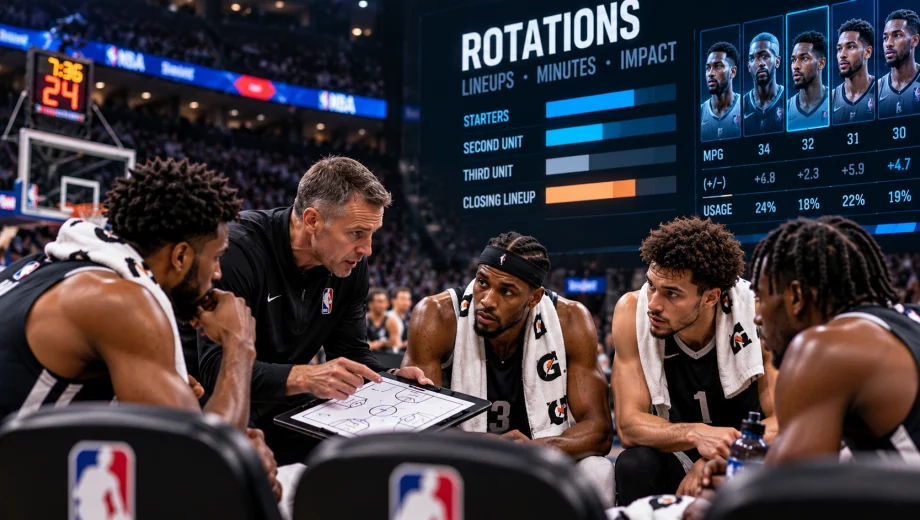 NBA Rotation Changes: How Minutes, Roles and Lineup Combinations Reshape Betting Context
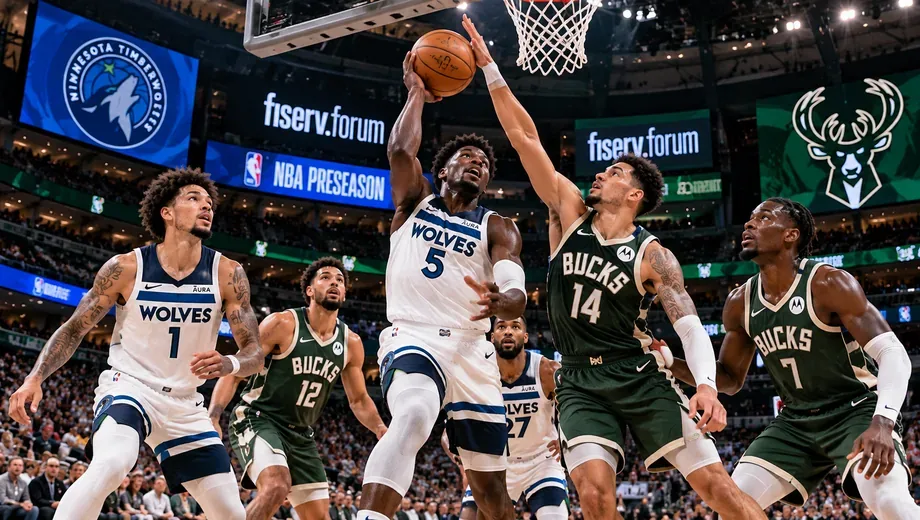 Minnesota Timberwolves at Milwaukee Bucks: What Size, Rebounding and Rotation Depth Can Reveal in Preseason
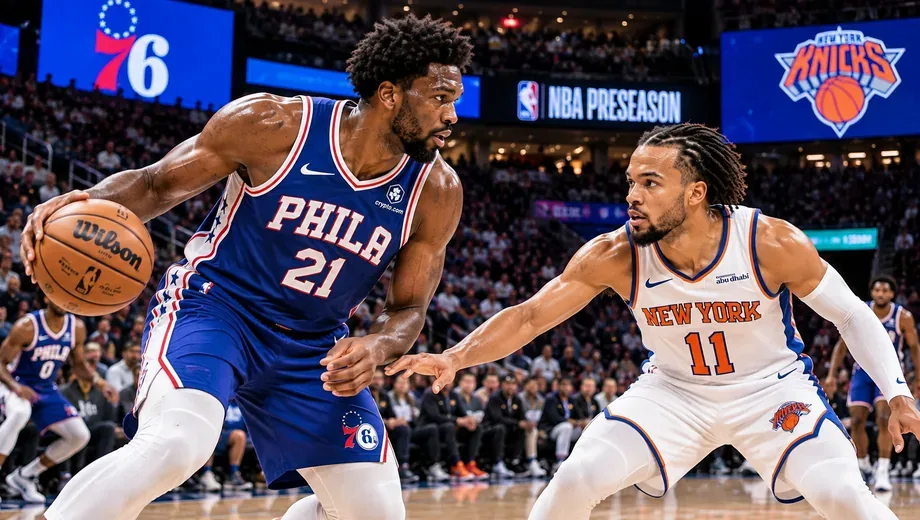 New York Knicks at Philadelphia 76ers: Availability, Lineup Construction and the Limits of a Preseason Score