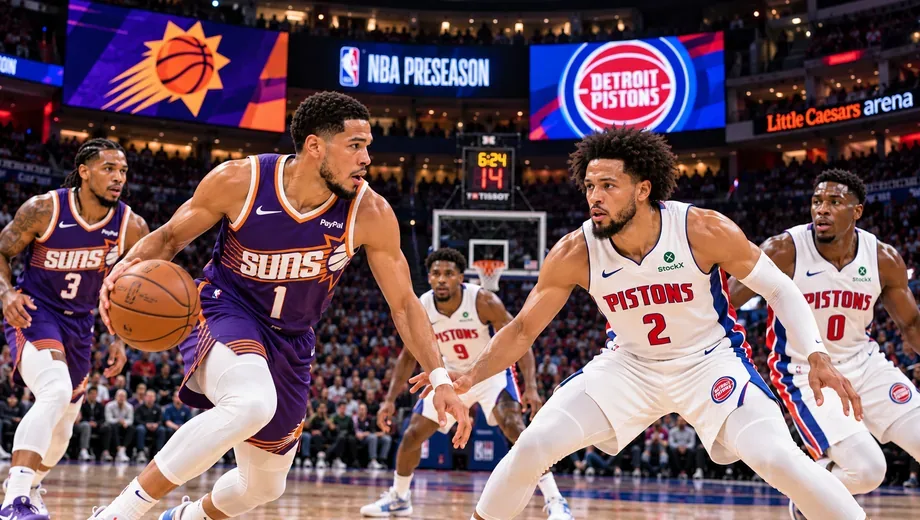
Phoenix opens at Detroit with a roster that changed around Devin Booker rather than around Kevin Durant, who left for Houston in 2025. The Suns added Miles Bridges and Luke Kennard this summer to a group already featuring Booker, Dillon Brooks, Jalen Green and Collin Gillespie. Detroit offers a useful opponent for that reset because Cade Cunningham's size and creation force defenses to make clear choices at the point of attack. The game can show whether Phoenix's new pieces alter responsibilities or simply add names to familiar possessions.
Booker's burden is the starting point
Booker averaged 26.1 points and 6.0 assists last season, so Phoenix does not need to discover whether he can create. It needs to discover how often he must. Bridges can attack mismatches, Green can bend a defense with speed, and Gillespie can organize possessions. If those players initiate successfully, Booker can spend more possessions relocating, screening or attacking a shifted defense instead of manufacturing every advantage himself.
Miles Bridges changes the Suns' size on the wing
Bridges gives Phoenix a bigger scoring wing after the departures of Grayson Allen and Royce O'Neale. His value in this matchup is not just shot volume. Detroit can put substantial size around Cunningham, so Phoenix needs a forward who can finish through contact, rebound his position and keep the offense from becoming guard-heavy. How often Bridges touches the paint before shooting will say more about his role than a hot or cold three-point line.
Kennard's gravity can reorganize a possession
Luke Kennard does not need many dribbles to change spacing. Detroit must decide whether to stay attached to him when Booker or Green drives, and that choice can open the lane or create a cleaner second-side action. If Phoenix uses Kennard as a mover rather than a stationary corner option, the Suns can test whether their new shooting depth creates different passing windows for Booker.
Detroit tests Phoenix at the point of attack
Cunningham's combination of size and patience is a useful stress test for Phoenix's perimeter defense. Brooks can take the primary assignment, but the more revealing possessions may come after a switch or early help. Phoenix improved to ninth in defensive rating last season; preserving that identity while adding new offensive pieces requires the next defender to rotate without surrendering easy rim attempts or corner threes.
The center minutes carry extra weight for Phoenix
Mark Williams is expected to miss the start of the season with a shoulder issue, which makes preseason frontcourt combinations more consequential. Phoenix must find enough rim protection and rebounding without shrinking its offensive spacing. Detroit can attack that question through drives, offensive rebounds and interior seals. The Suns' answer may involve collective rebounding rather than asking one replacement big to reproduce Williams' role.
Role evidence beats shot results
A made jumper can hide a poor possession and a miss can finish a well-created one. For Phoenix, the more useful clues are whether Green receives downhill opportunities, whether Bridges attacks from advantageous spots and whether Booker can surrender the first touch without the offense losing coherence. Detroit's defensive response helps separate a designed role from an improvised preseason possession.
What would make the new structure believable
The strongest case for a real role change would be repetition across different lineups. If Bridges continues to create against starters and reserves, or if Booker repeatedly works off the ball with multiple handlers, those choices look intentional. If a responsibility appears once and disappears as soon as personnel changes, it is better treated as experimentation than as a new identity.
Phoenix is trying to make pressure defense a repeatable identity
The Suns’ own training-camp reporting emphasized aggressive pickup points and ball pressure after that style became a defining feature of last season’s defense. Detroit is an ideal test because Cunningham can punish reckless pressure with size, patience and passing. Phoenix therefore has to distinguish aggression from gambling. Brooks can crowd the ball, but the back line must be early enough that Cunningham sees bodies before he reaches the paint rather than after he has already forced a rotation.
The most useful possessions will be the ones in which Detroit survives the first defender. If Phoenix can recover, switch responsibilities and finish the possession with a contested shot, the pressure is structural. If one failed reach produces a layup or an uncontested corner three, the same tactic becomes expensive. That distinction matters more than steals in a preseason box score.
Duren’s uncertain ramp-up changes Detroit’s interior experiment
Jalen Duren’s new long-term deal ended an unusual training-camp negotiation, but his absence from a Saturday practice left his preseason-opener status uncertain entering the weekend. Detroit therefore has to be read with lineup context. If Duren plays, Phoenix gets a direct test of its rebounding and rim coverage against a powerful vertical center. If he does not, the Pistons’ spacing, screening and offensive-rebound profile can look materially different.
That uncertainty should not flatten the analysis. The useful question is how Detroit assigns the jobs Duren normally influences. Does another big become the primary screener? Do wings crash the glass more aggressively? Does Cunningham operate with more open paint but less lob pressure? Those changes can reveal roster flexibility even if they cannot be treated as the final regular-season structure.
Green’s best possessions may begin without the ball
Jalen Green’s speed is easiest to notice when he has a runway, but Phoenix can learn more by seeing whether he can create those runways through movement. A cut behind a defender watching Booker, a sprint into a handoff or a quick attack after a swing pass can give Green an advantage before his first dribble. That is a cleaner fit than alternating isolated possessions between high-usage guards.
Detroit’s size makes the distinction important. Cunningham and the Pistons’ wings can absorb a straight-line drive if the floor is static. They are more vulnerable when a defender has already chased through an action and the help is moving. Green’s shot total therefore tells less than the origin of his attempts.
Bridges gives Phoenix a way to attack smaller switches
Miles Bridges adds a physical wing scorer to a roster that can otherwise skew toward guard creation. When Detroit switches a smaller defender onto him, Phoenix can test whether Bridges is used as a genuine matchup lever or merely another perimeter option. A quick post seal, a duck-in after a drive or an offensive rebound can punish a switch without stopping the offense for a prolonged isolation.
That physicality also matters defensively. Phoenix wants to pressure high on the floor, which places a premium on wings who can rebound when the possession finally ends. If Bridges can finish possessions on the glass, the Suns can be more aggressive with guards above the break without conceding repeated second chances.
Detroit can force Phoenix to reveal its second creator
The Pistons do not need to trap Booker on every possession to learn who Phoenix trusts next. A hard show, a late switch or simply loading an extra defender toward his driving lane can force the first pass out. The identity of the receiver—and what happens in the next two seconds—will clarify the Suns’ hierarchy. Gillespie may organize, Green may attack a seam, Bridges may punish a mismatch, or Kennard may convert movement into a shot.
If those responsibilities are distributed cleanly, Phoenix becomes harder to scheme because Booker no longer has to solve the entire possession. If the ball routinely returns to him after the defense resets, the offseason additions may not yet have changed the offense as much as the roster sheet suggests.
The first clean role map is more valuable than a preseason winner
Detroit enters with greater continuity around Cunningham, while Phoenix is testing how new pieces connect to an established star. That makes the matchup asymmetric. The Pistons can use the night to stress-test their existing identity; the Suns need to discover which responsibilities are transferable from practice to a live opponent.
A useful Phoenix outcome would be visible even in a loss: Booker spending meaningful time as an off-ball threat, Green attacking tilted defenses, Bridges supplying size at both ends, Kennard creating gravity through movement and the pressure defense recovering after its first gamble fails. Those are mechanisms that can survive October. A hot shooting quarter cannot carry the same weight.
For broader context on evaluating NBA markets, see the OddsBay NBA Game Intelligence page and the sports betting guide.
Detroit makes Phoenix prove that the new roles connect
The Suns can leave Detroit with useful answers even if several individual stat lines look ordinary. What matters is whether one role feeds the next: pressure defense creating a rushed decision, a wing finishing the rebound, Green running into space, Booker drawing help and a second creator attacking before the defense resets. Detroit is strong enough and physical enough to break weak links in that chain. If Phoenix can preserve it across different combinations, the roster changes begin to look like an actual system rather than a collection of offseason additions.
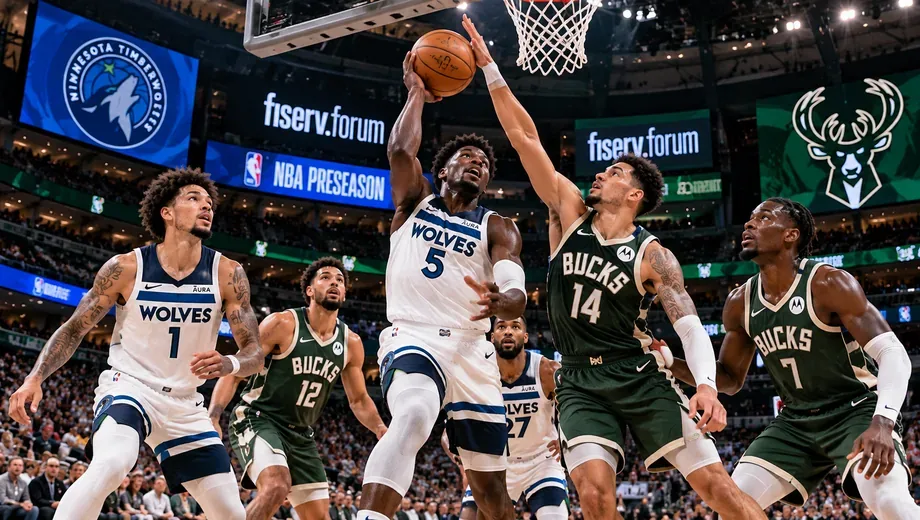 Minnesota Timberwolves at Milwaukee Bucks: What Size, Rebounding and Rotation Depth Can Reveal in Preseason
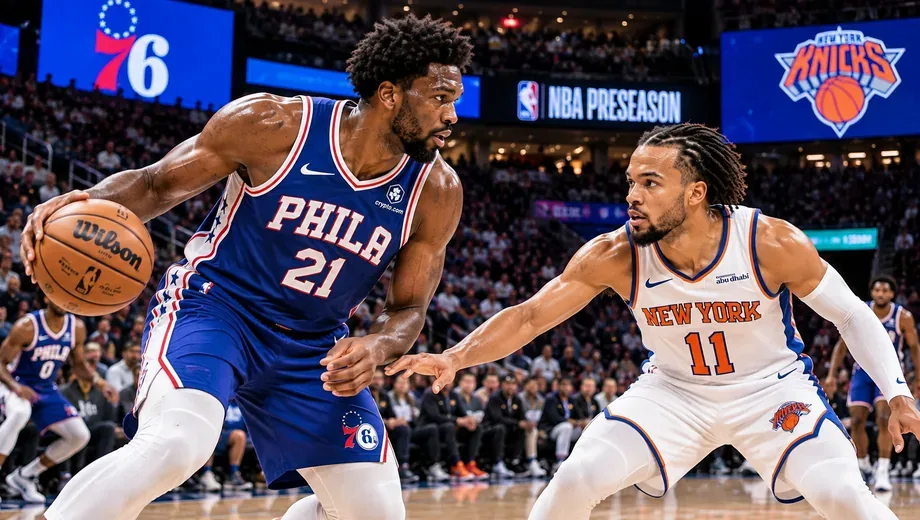 New York Knicks at Philadelphia 76ers: Availability, Lineup Construction and the Limits of a Preseason Score
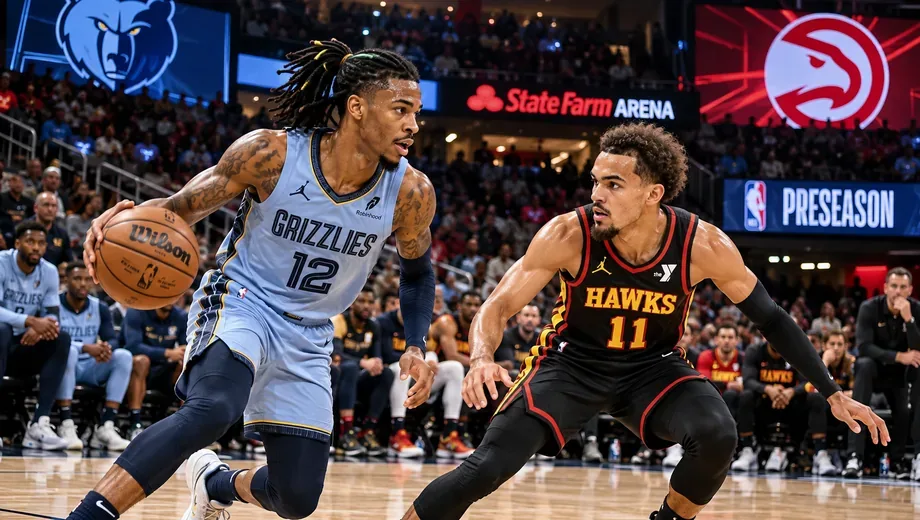 Memphis Grizzlies at Atlanta Hawks: What the First Preseason Rotations Can Actually Tell Us